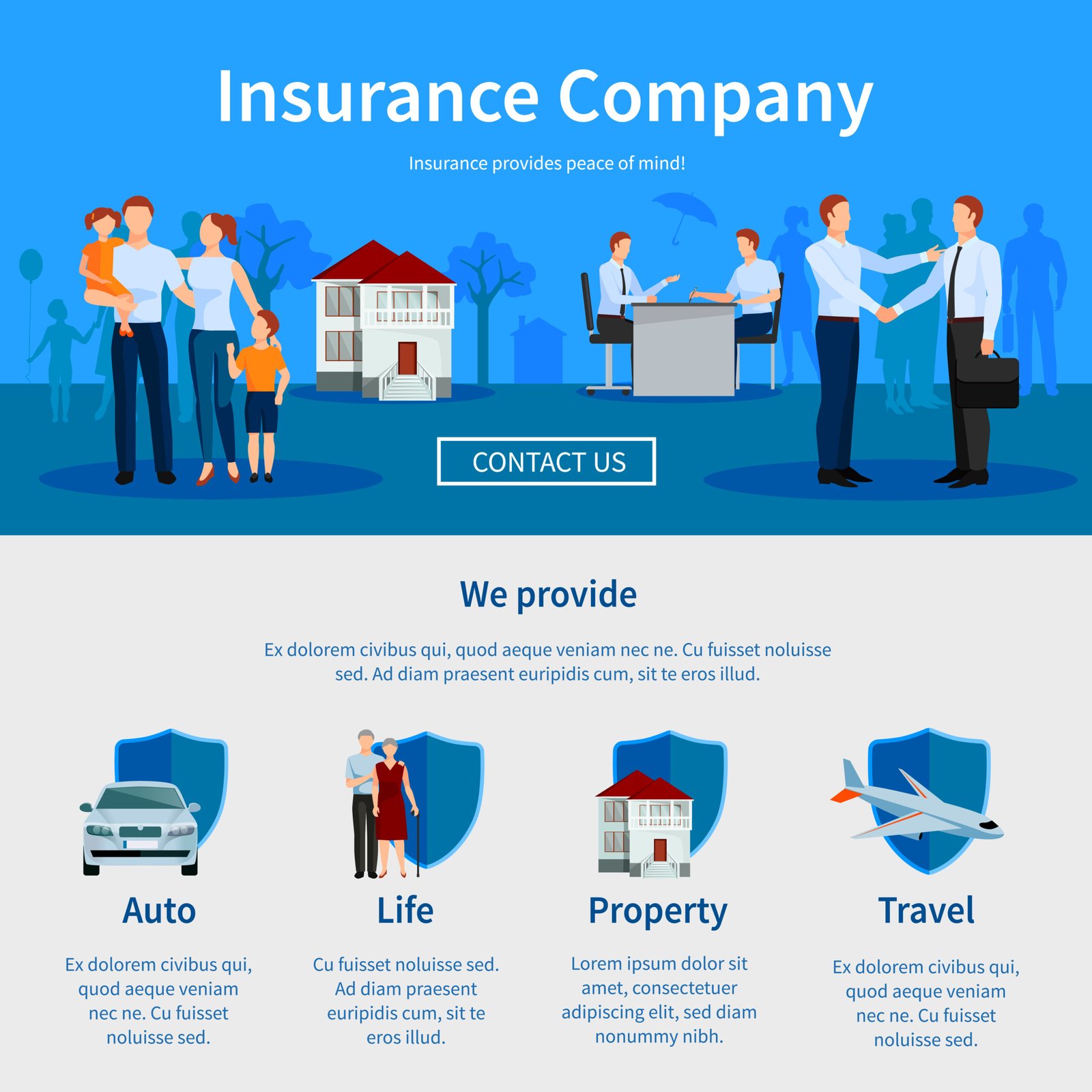
Running a business comes with numerous risks—legal liabilities, property damage, employee injuries, and financial losses, to name a few. Without proper protection, a single unexpected event could jeopardize your company’s future. That’s where company insurance comes in.
Company insurance (also known as business insurance) is a safety net that helps businesses mitigate financial risks by covering losses from accidents, lawsuits, natural disasters, and other unforeseen events. Whether you own a small startup or a large corporation, having the right insurance policies in place is essential for long-term success.
In this article, we’ll explore:
- The different types of company insurance
- Why business insurance is crucial
- How to choose the right coverage
- Common mistakes to avoid
Types of Company Insurance
There are several types of business insurance, each designed to protect against specific risks. The most common policies include:
General Liability Insurance.
This is the foundation of business insurance, covering third-party claims related to:
- Bodily injury (e.g., a customer slipping in your store)
- Property damage (e.g., damaging a client’s property)
- Advertising injuries (e.g., slander or copyright infringement)
Most businesses need general liability insurance to operate safely, especially if they interact with customers or clients regularly.
Professional Liability Insurance (Errors & Omissions Insurance)
Also known as E&O insurance, this policy protects businesses that provide professional services (e.g., consultants, lawyers, accountants) from claims of negligence, mistakes, or failure to deliver promised results.
Commercial Property Insurance
This covers damage to your business property—buildings, equipment, inventory, and furniture—due to fire, theft, vandalism, or natural disasters. If you lease your workspace, your landlord’s insurance typically only covers the building, not your business assets.
Workers’ Compensation Insurance
Required in most states, workers’ comp provides medical benefits and wage replacement to employees injured on the job. It also protects employers from lawsuits related to workplace injuries.
Business Interruption Insurance
If a disaster (e.g., a fire or hurricane) forces your business to temporarily close, this insurance helps cover lost income, payroll, and operating expenses while you recover.
Cyber Liability Insurance
With the rise of data breaches and cyberattacks, this insurance helps cover costs related to:
- Data breaches
- Ransomware attacks
- Legal fees and customer notifications
Commercial Auto Insurance
If your business uses vehicles for deliveries, transportation, or other work-related tasks, this policy covers accidents, damages, and liability claims.
Directors & Officers (D&O) Insurance
This protects a company’s executives and board members from personal liability if they are sued for mismanagement, financial errors, or other leadership decisions.
Product Liability Insurance
If your business manufactures or sells physical products, this insurance covers lawsuits related to product defects that cause harm to consumers.
Employment Practices Liability Insurance (EPLI)
This protects businesses against employee claims of discrimination, wrongful termination, harassment, or other employment-related issues.
Why Company Insurance Is Essential
Legal & Financial Protection
Lawsuits and claims can be financially devastating. Insurance helps cover legal fees, settlements, and medical costs, preventing out-of-pocket expenses that could cripple your business.
Contract & Lease Requirements
Many clients, landlords, and lenders require proof of insurance before signing contracts or leases. Without it, you could lose business opportunities.
Employee Safety & Compliance
Workers’ compensation is legally required in most states. Failing to provide it can result in fines, penalties, and even lawsuits.
Business Continuity
Disasters happen—fires, floods, cyberattacks. Insurance ensures your business can recover and continue operating without massive financial strain.
Customer & Investor Confidence
Having proper insurance shows clients, investors, and partners that your business is responsible and prepared for risks.
How to Choose the Right Business Insurance
Assess Your Risks
- Do you have employees? → Workers’ comp & EPLI
- Do you handle sensitive data? → Cyber liability
- Do you own or lease property? → Commercial property insurance
Compare Insurance Providers
Look for insurers with strong financial ratings (e.g., A.M. Best, Moody’s) and good customer reviews.
Bundle Policies for Savings
Many insurers offer Business Owner’s Policies (BOPs), which combine general liability, property insurance, and business interruption coverage at a discounted rate.
Review & Update Coverage Annually
As your business grows, your insurance needs change. Regularly reassess your policies to ensure adequate protection.